The One You Feed

World War II dominates my reading life.  Max Hastings’ sweeping history of the war ‘All Hell Let Loose’ is seven-hundred pages of horror.  Unimaginable suffering for untold millions, brought to life by Hastings with tiny heartbreaking details.  My fascination with the war deepens my gratefulness for the soldiers, sailors and airmen who sacrificed their lives for a just and noble cause.  I don’t know if any of us can truly appreciate the scale of global calamity.  Millions of non-combatants – fathers and mothers, sons and daughters, friends and neighbours – perished, their last breaths often taken in terror and agony.  Those who survived the war, veterans and civilians alike, often buried their suffering deep inside themselves.  The tentacles of their trauma extended deep into their post-war lives, and the generations that followed.  And yet, despite so much individual suffering, collectively they built a better world.

A recent podcast on the Potsdam Conference, the meeting between Churchill, Stalin and Truman which took place in the shattered suburbs of Berlin after Germany surrendered and as Hiroshima loomed, led me to revisit David McCoullough’s incredible biography ‘Truman.’  I first read it over thirty years ago, and the abiding lesson I drew from it was that a good man could be a great man.  Until a few days ago I hadn’t really considered that President Truman and the current U.S. president shared most of a surname – T. R. U. M.  Harry Truman was an honourable, moral man, who made difficult decisions which shaped the post-war world.  Those of us who grew up in peace and prosperity owe much to him, and his fellow Americans who, thrust into a war they did not want, emerged from it committed to playing a leading role in trying to secure a lasting peace.  The current U.S.  president is the antithesis of Harry S. Truman.  Neither good man, nor great man, he is a stain on the legacy of the high office which he holds.  Despite his vile nature and chaotic tenure, the office, not the occupant, still deserve our respect because one day it may again be occupied by a good person who is also a great person. 

Being good is hard work.  McCullough quotes a young Truman writing to his future wife Bess: “[I am] just a common everyday man whose instincts are to be ornery, who’s anxious to be right.”  One of my favourite podcasts is called, ‘The One You Feed.’  It’s premise, based on a parable, is that there are two wolves inside us all – a good wolf, and a bad wolf.  A grandson asks his grandfather which wolf wins.  The grandfather responds, “the one you feed.”  My good wolf and bad wolf battle daily.  My bad wolf screams at my daughter, when stress and frustration boil over.  My bad wolf feasts on anger which lives within me, never far from the surface and all too willing to make an appearance, especially when a stranger offends my sense of right and wrong.  Just over a week ago my bad wolf unleashed a verbal tirade on a cyclist riding on a sidewalk while my family walked beside me.  My bad wolf chooses immediate pleasure over long term health.  When unleashed, it gorges on junk food.  Once I start, I’m incapable of moderation. 

Reading helps feed my good wolf.  David Brooks’ ‘The Road to Character,’ is beside me as I write this – each chapter an examination of the life of an imperfect person who worked to better themselves.  As Brooks writes in the introduction, “I wrote this book not sure I could follow the road to character, but I wanted at least to know what the road looks like and how other people have trodden it.”  I fill my journal with quotes from books laying around the house, or posts from social media – wisdom from secular Buddhists, Stoics, C.S. Lewis, and endurance athletes.  I feel instinctively that every word I absorb, and then rewrite, brings me a little closer to universal truths. One of those universal truths is that my bad wolf is just as much a part of me as my good wolf.  I can observe my bad wolf without judging it.  Ultimately, taming my worst instincts means trying to understand my bad wolf and showing it love, compassion, and understanding. 

Reading, writing and running help tame my wolf and cleanse my soul.  Reading means absorbing the experiences and wisdom of others.  Reading about the war puts my own problems and stresses into perspective.  Reading lifts me.  A beautifully written passage in any book is a work of art that becomes part of me.  If reading is a process of absorbing, then writing and running are processes of expending.  I’m a private person, usually reluctant to share details of my life with people I don’t know well, yet I pour inner thoughts and feelings onto the page and publish them.  And it feels right.  Running always feels right, even when it hurts.  Sometimes especially when it hurts.  Years ago, when I was going through a difficult time, I ran until it hurt, and my inner voice repeated a mantra over and over, “burn away the hurt, burn away the pain.”  In those circumstances I sought pain to erase pain.  But that was, and is, very rare.  Running, day by day, month by month, year by year, has been like a purge valve that imperceptibly lets out noxious fumes that I might not even know are present.  A little over a year ago I retired from policing after twenty-four years.  I was blessed to retire with physical health and mental health.  I owe much of that to running.  Thousands of plodding miles where my body and brain processed what I had seen or done at work and left the poisonous byproducts behind on roads and trails.

Running.  Good for the soul.  Not always for the body.  Every day I do an inventory of what hurts most.  My right heel almost always wins, but my left heel and right knee are occasionally contenders.  Somehow, my right elbow has now joined the fray.  Still, I plod on with the goal of not plodding.  I’ve set an aggressive but realistic time goal for this fall’s Royal Victoria Marathon.  Which has meant weekly speed sessions at a track for the first time in well over a decade.  Running fast for short distances sucks.  Legs and lungs burn.  In the hours before I leave for the track my bad wolf whispers, “take this week off.  You’re busy.  You’re tired.  You can skip a workout.”  But I’ve made it every week so far.  At the track, during the sessions my bad wolf screams, “slow down!  Less hard means less hurt.”  I listen and try not to obey.  To run hard and fast, I must force my bad wolf to run with me. 

What a privilege it is to run.  To read.  To write.  To do battle with a wolf and not an enemy soldier.  To grow up in a world shaped by imperfect men and women who did their best.  To draw on the examples they set about how to live good lives and shape a better world.  To know that good and right can triumph over evil and injustice.

Postscript

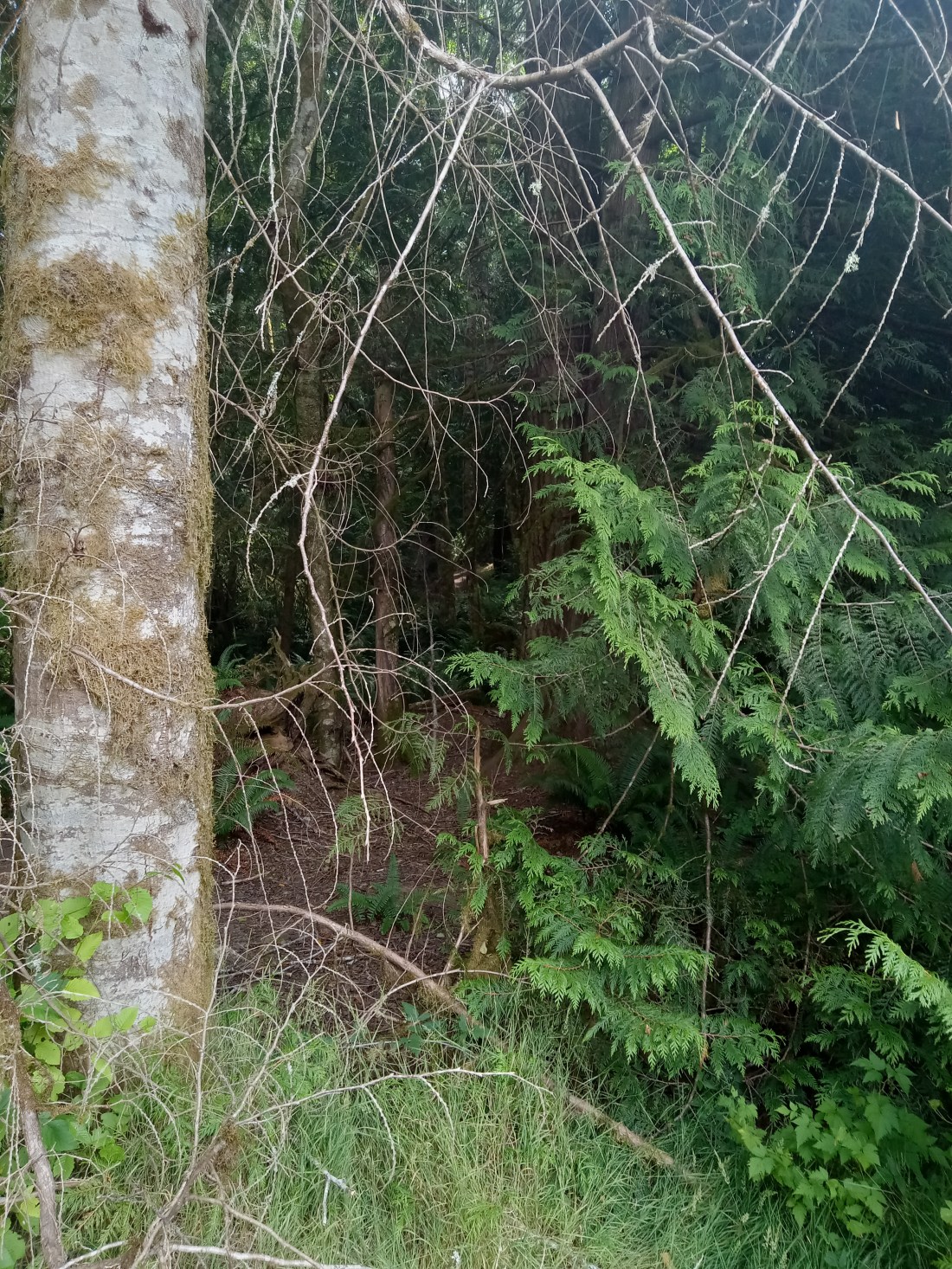
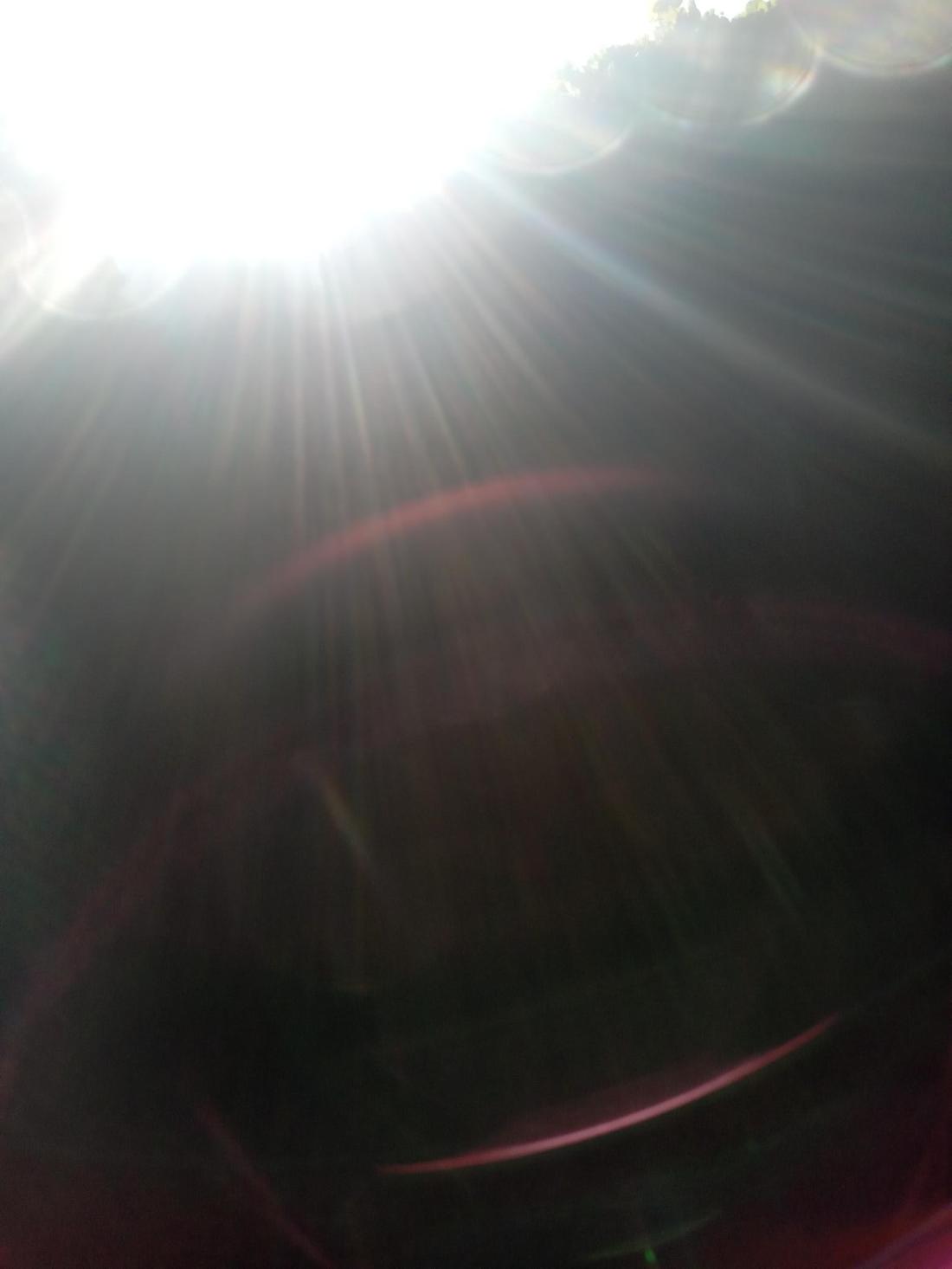
Having not written in some time this piece was an exercise in returning to fundamentals.  Reading.  Writing.  Running.  A recent photograph from my phone usually accompanies each essay, as is the case today, with a photo I accidently took several nights ago.  I hadn’t seen it until just now.  I’m not sure what it is or how I took it.  Maybe it was a fortunate mistake, with bright light shining over darkness.
Always Feels Right

Featured

I read with a pen. I don’t remember when it started, but I’ve been doing it for years. I circle names, underline important or well written passages, and fill the margins with hyphens and asterisks to mark crucial information. I can’t see the words without my glasses. I can’t appreciate them without my pen.


It’s made reading much more expensive. No library books for me. I can’t mark up public property. Our shelves are overflowing with my books, even though dozens, if not hundreds more, have been banished to cardboard boxes in our crawl space. I almost never reread these books, and when a book is in progress, rarely do I look back at my hieroglyphics. But marking up a book, as I read it, is completely and totally necessary. It just feels right.


The feeling of something just feeling right is a precious gift.


Writing just feels right, although I’ve been doing precious little of it lately. But when I do, when I immerse myself in words, and when those words flow, there’s an unconscious beauty to it. Not that my words are beautiful, but the act itself transcends the mundane. Instead, it’s magical and the magic bends the arc of time, and an hour at the keyboard feels like only five minutes has passed.


That must be what it’s like to ride a motorcycle and feel united with the bike – man and machine, a single entity flying together down the highway. Or to play the piano brilliantly – without hesitation or thought – gentle fingertips with an intimate touch, strong hands pounding the keys – and the air around the piano vibrates with the same sounds that once filled the minds of Beethoven, Bach and Mozart.


Running never feels just right. Something always hurts. My right heel is a source of constant pain. My left heel, whether from sympathy or neglect has now joined in to make pain free walking, much less running, a distant memory. Sometimes my legs epitomize sluggishness, and I plod along feeling like I’m encased in concrete. And when my legs do feel loose and limber and I run hard, and fast and free, I can feel the lactic acid settling into my muscles, ensuring that the following morning, when I will wake up, I will limp and stumble from the bed to the couch. And yet, despite the pain, running is as meaningful and vital to me as reading and writing.


Being a dad – being a parent – is more like running than reading or writing. It’s not a smooth ride down the highway or a baroque masterpiece. Like running, parenting is hard, and sometimes painful. Like running, parenting is also precious and infinitely rewarding. Words may flow magically but parenting decisions do not.

I have come to believe, that like many things in life, there are rarely clearly ‘right’ and clearly ‘wrong’ decisions. Most of us, on most days, make thousands of decisions, small and large. We do the best we have with the information we have on hand, often weighing the possible consequences of choosing one reasonable course of action over another seemingly equally reasonable decision. As a parent those decisions are never-ending: Where should my child go to school? How much YouTube is too much for a growing brain? [Arguably, any YouTube is too much for any brain]. When do I intervene, and when do I just stand back and let things happen? Does the behaviour require discipline? Or a hug? Or both? Am I making a good decision or just an easy decision?


I’m a lucky dad with a beautiful daughter. Kind and gentle, spirited and sassy, funny and fun. Being a dad, being a parent, shouldn’t be easy. Running hurts but the hurting helps. It teaches me to listen to my body. To take a rest day because my heel needs a day off more than my spirit needs to run. That’s a reasonable decision – maybe not the right one, but maybe not the wrong one either.


So goes parenting. Maybe not the right decision, but maybe not the wrong one either. And when all is said and done, choose the hug. That always feels right.

I Did Not Run

Featured

After a couple weeks of constant heel pain, I stopped running and vowed to take a week off.

That was last Sunday. 

My heel is no better.  But I might run anyway.

Strangely, I don’t miss running. At least not the act or sensation of it. I’m not pining for the trails.  I’m not desperate to run long and slow, or short and fast.

But something doesn’t feel right.  Inside me.  I’ve felt it all day.  Call it depression, melancholy, ‘the blues.’  I’m not myself.  Not today.

I’m not sure why.  Usually a “weighted hike” helps.  So I tried that.  I put a dumbbell in a backpack and set off through the forest.  I ate fresh blackberries, sat beside a stream, and watched a fly land on a perfect green leaf. 

A weighted hike usually does the trick.  The dumbbell gets harder and harder to carry.  The shoulder straps dig into my skin.  I lean forward, seeking a posture where everything hurts a little bit less.  At the end of a weighted hike I’m in physical pain. But I feel better.  On the inside.  Nature, solitude, and decompression lift me up from within.

That didn’t happen today.  Today I got home and still felt blah.

I’m not sure why.  It could be because there is nothing I have to do today. The lawn doesn’t need cutting.  My daughter does not need to be dropped off at a birthday party.  My wife and I don’t have to go shopping.  No distractions to distract me from whatever I’m feeling inside.

Maybe it’s shift work.  Two long days followed by two long nights.  Four days of sleep deprivation and a messed up body clock.  The aftereffects carry into my days off.  I feel jetlagged.  I feel hung over.  I feel short tempered. On my first day off, I am mindful of how I speak to my wife and daughter because my fuse is short and my patience is thin. 

Today is my second day off.  I slept long and well.  I’m weary but not exhausted.  I’m well on the way to the feeling of “normal” that usually returns by my third day off.

Maybe it’s the work other people do.  My job title is Watch Commander.  I supervise approximately twenty-five uniformed police officers.  I sit behind a desk, while they are on the street, doing the real work of policing.  I hear it all over the radio.  Assaults, thefts, domestic disputes, overdoses, and a seemingly endless stream of mental health calls.  There are so many broken people, and the police officers I work with spend large parts of their days trying to help.  They work hard, and virtually everything they do is because something bad has happened.  Earlier this week a senior citizen was the victim of an unprovoked violent attack.  Her injuries are life altering.  The cops I work with arrested the offender and went with the victim to the hospital.  It happened at 7:00 o’clock at night, in a nice part of the city, on a beautiful summer’s evening. 

Maybe it’s the work I do.  Like a contentious situation which I could have handled better.  Or sensitive information which gets shared with me because of my position.  Or decisions which I make that affect the professional lives, and personal well-being of the police officers on my shift.  Men and women I’ve come to care about deeply since I started working with them earlier this year.

Or maybe it’s because I haven’t been running.  I biked this week.  I went to the gym.  I stayed active.  But I did not run.

It seems too coincidental that I would feel run down after a week of not doing something I usually do almost every day.

It’s funny, because last Sunday, when I decided to take a break, I was out on the trails in behind our home, and I wasn’t loving the run.  My heel hurt, and my motivation was practically nil.  I’d entertained trying a two-hour run, and knew I didn’t have it in me.  I just didn’t want it.  Which was unusual, because often I look forward to two-hours as the perfect amount of time to be out there on my feet – to challenge myself without overtaxing my system. 

So last Sunday, when I decided to take a break from running, I felt kind of proud of myself.  I felt like I was listening to my body and my mind and it was the perfect time for a break.  A week for my heel to heal and my running mojo to recharge.

And now six days later, I feel the opposite.  A reminder that running for me is about so much more than physical health.  And it’s not just central to my identity.  The blah I feel today is a reminder that running is essential to my  well-being.  Physical tiredness and work stress are nothing new.  They are essential elements of policing.  Nothing about this past week was fundamentally different than the last 23 years of my career.

Except it was one of the few weeks in which I did not run.  And today I’m paying the price.

The Broken Bridge

Featured

We can look backwards in time.

Every time you gaze at the stars you are inside a time machine.

The light you see took years – anywhere between four and four thousand – to reach your eyes.

A star that you can see tonight may have exploded thousands of years ago, and no longer exists.  It is gone.  But you can see it.

Intelligent, highly educated people spend their lives studying these things.  Quantum physics.  String theory.  If you Google, “why there is no such thing as touch,” you’ll learn (but like me, perhaps not understand) that there is no such thing.  I thought I was sitting on the couch writing this.  Not quite.  Instead, “when you plop down into a chair or slink into your bed, the electrons within your body are repelling the electrons that make up the chair.  You are hovering above it by an unfathomably small distance.”

At the subatomic level, a particle can exist in two places at the same time.  A measurable thing that exists can be in more than one place at once.

Does any of it matter for any of us?  Arguably not.  Whether we know, or do not know these things, hardly effects our lives.

I do not think about them every day.  I rarely think about them at all.

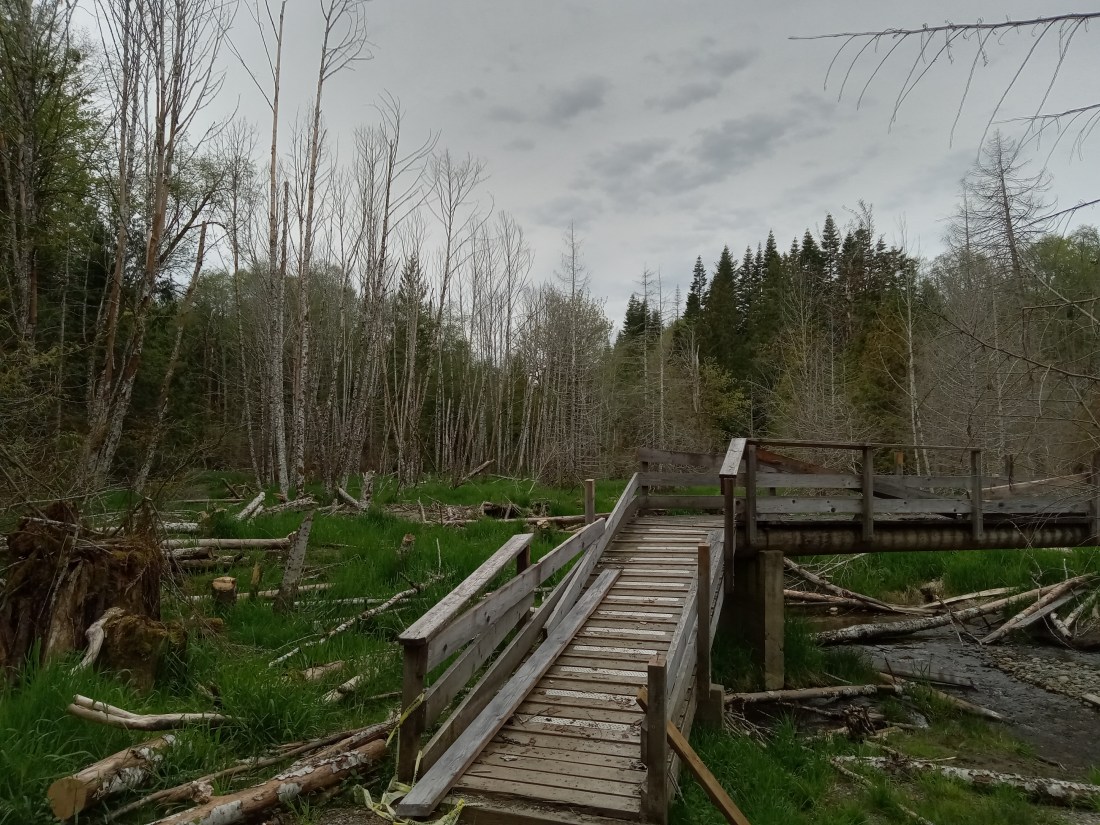
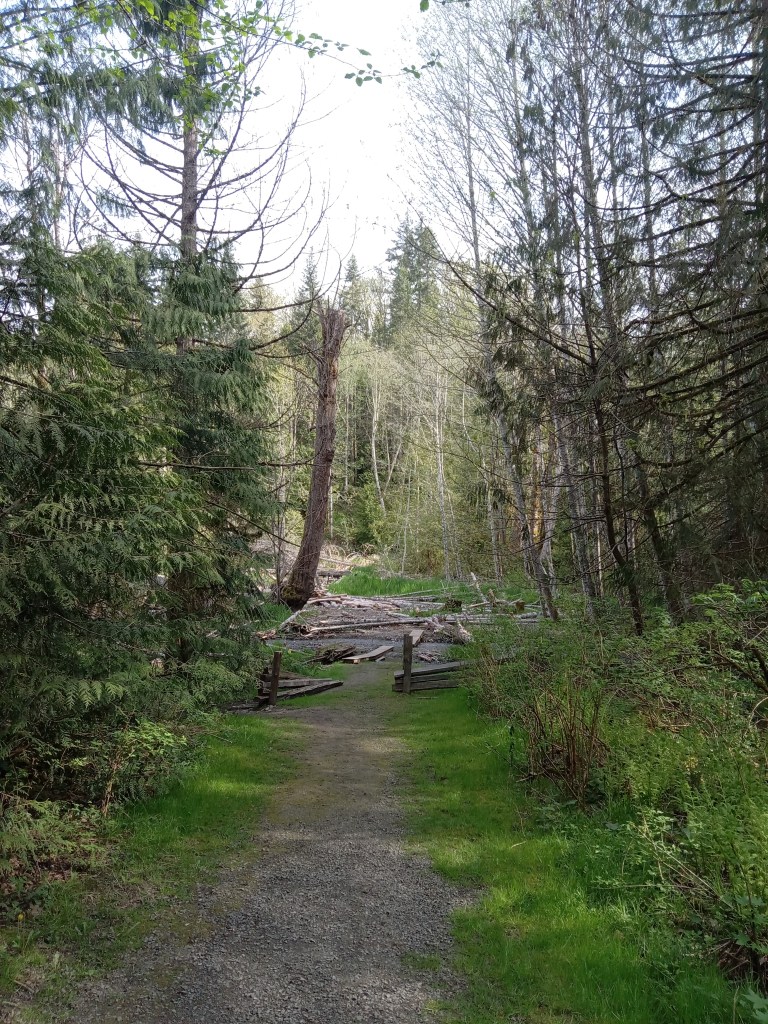
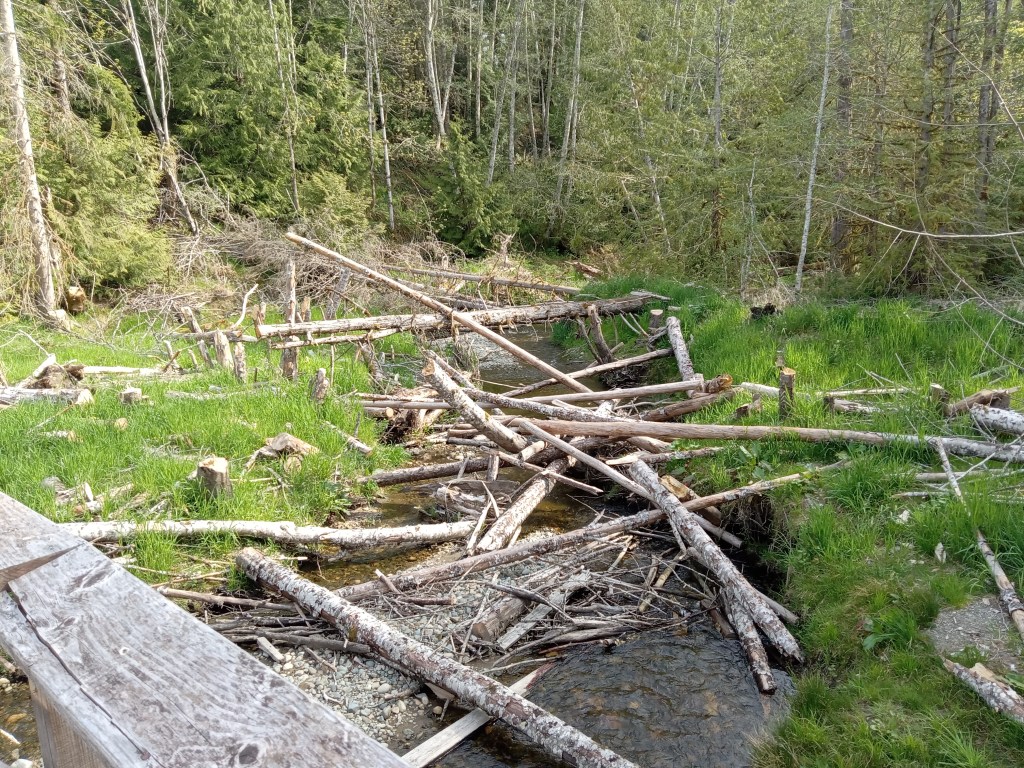
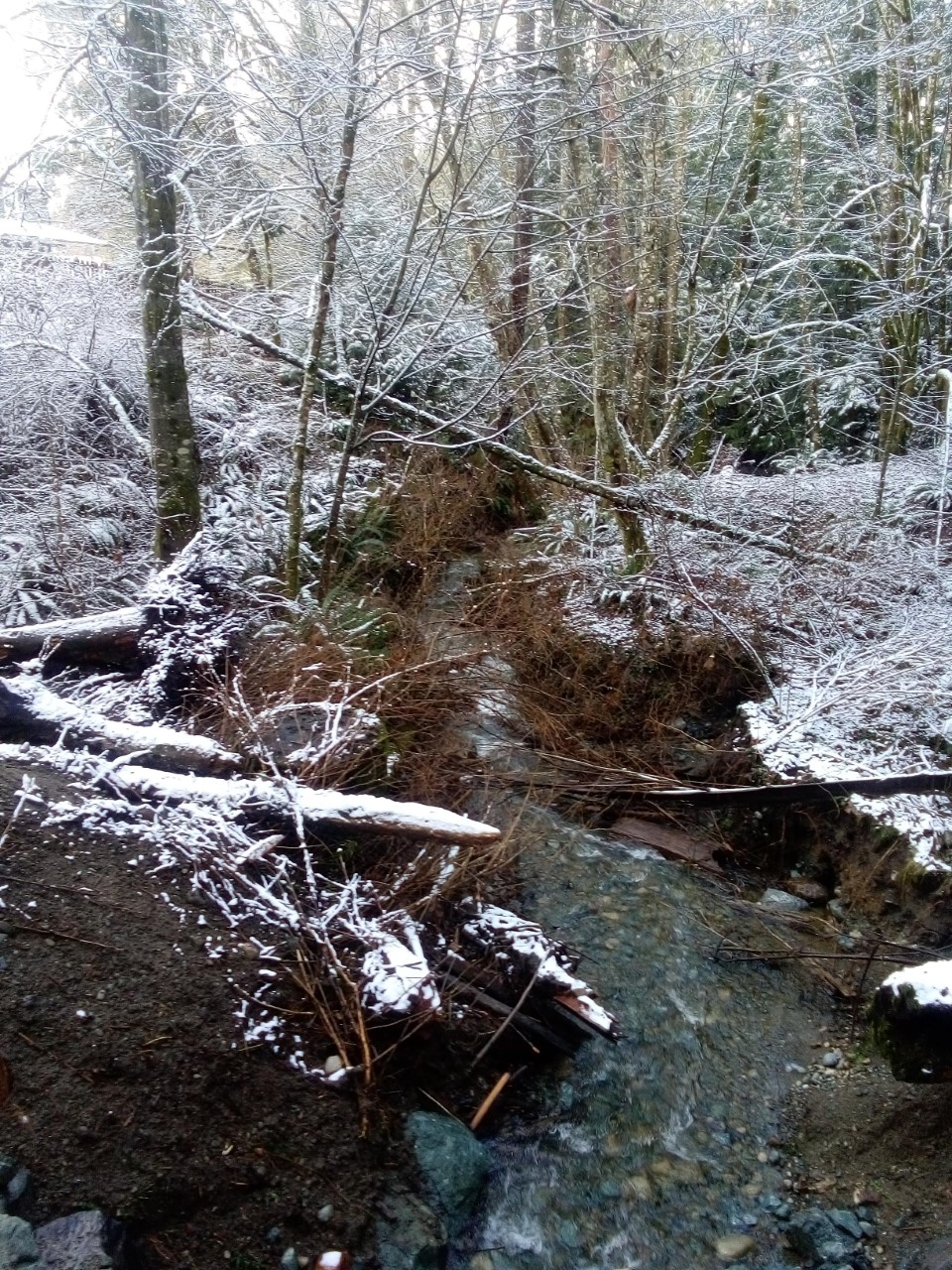
Why did I think about them today?  Because I was straining for an analogy to help explain the unexplainable.  There is a broken bridge near my home.  Surrounding it are forests, and streams, pathways and fallen trees.  This little clearing in the woods is alive with birds and bugs.  I’ve never seen a bear there, but every time I go, I expect to.  It feels like exactly where a bear should live.  I am drawn to this place. 

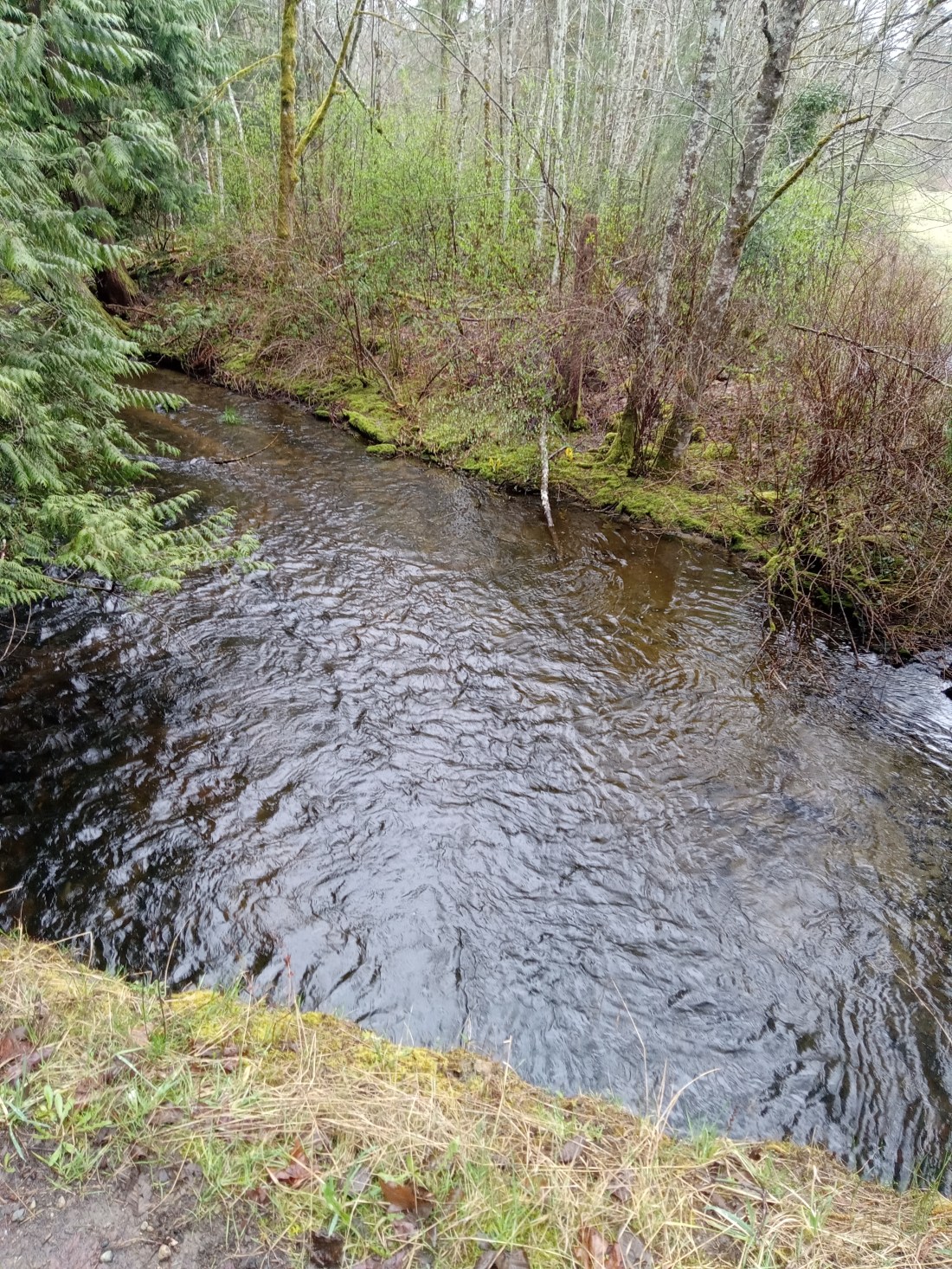
In a subatomic world, where I can be in two places at one time, a part of me would always be at the broken bridge.  It exudes peace.  Sometimes I stand on the bridge and hear the water that runs below.  Sometimes, I sit on a log and just listen.  I’ve meditated there.  I’ve walked beyond the bridge and discovered a trail I did not know existed.  The broken bridge is the place where my inner voice yells the loudest, and the broken bridge helps give me the resolve to listen to it.  The broken bridge is the place that I limped to last week, when an old hip injury flared up, and I worried that, not only would I be unable to complete the Vancouver Marathon, but that weeks or months of pain loomed ahead. [I finished the marathon.  And my hip still aches].

When I walked there last week – “layered” is the word that stuck in my head.  The broken bridge and the world around it are layered.  Vibrant greens contrasting with dull greys and browns; chirping birds interrupting pure silence; trees reaching for the sky hovering above dead ones that have yet to fall.  All those things interact with each other.  Infinitely.

The day after the marathon we returned home.  We’d spent three days in Vancouver, in a busy downtown hotel, in a large city.  We were always surrounded by people and noise.  After we got home, I walked to the broken bridge.  I was alone.  The day before, I’d been one of thousands of runners. That morning, we woke up in a city with hundreds of thousands of people.  Hours later, I had the broken bridge to myself. 

The broken bridge always looks the same and is always a little different. It’s magical, like looking into the past, hovering on a couch, or being in two places at the same time.  I see it.  I’m immersed in the beauty.  But I can never explain or fully understand exactly what I’m experiencing and how it makes me feel. 

Your Inner Voice

Featured

Before I became a cop, I was a graduate student at McMaster University.  My studies were going well.  I was on track to complete a doctorate.  Academia was my future.  Teaching and research loomed.  I enjoyed the teaching part.  Less so the research, because the ultimate goal was to write obscure, footnote laden articles and books which only a handful of people would ever read.

As the months ticked by, and I got closer and closer to finishing a Ph.D., my inner voice intervened.  What began as a gentle whisper became a fierce scream.  My inner voice reminded me that I was studying Canadian history and was about to make that my profession, but, I wasn’t passionate about it.  At the end of a day of studying or writing, I would never pick up a book about Canadian history and read it simply because it interested me.  The fire had been extinguished – if it had ever existed in the first place.

There was a raging fire though.  I’d wanted to be a cop for as long as I could remember.  As I came closer and closer to finishing my studies, and my 30th birthday loomed, I realized it was now or never.  Go after the thing I really wanted, or continue along the path I was on.

I went for it.  My friends and fellow students at McMaster were shocked.  They had no idea – none – that another side of me existed.  They had no more envisioned me as a cop, than as the Easter Bunny.

My family was with me all the way.  They knew what I’d always wanted.  They encouraged me to chase my dream.

Maybe it runs in the family.  My dad began his working life as a steelworker in Hamilton, Ontario, working grueling shifts under the inferno of a blast furnace.  He wanted more than that.  He enrolled in teacher’s college, studying at McMaster decades before I arrived there.  He went on to teach elementary school for years.  And then his inner voice became another inferno.  He felt called by God to become a minister.  Teaching had gone well.  He was on track to be a principal, to have a successful career, and a secure pension.  Instead, he listened to his inner voice.  He was true to himself.  And he and my mom sacrificed as a result.  For three years my dad had two homes, spending his weekdays at Knox College in Toronto, and his weekends with me, my mom and my brother in a small town in Ontario where he served as a minister at two rural churches.  My mom and dad must have spent those three years physically and mentally exhausted.  And now, 45 years later, as he nears his 80th birthday, my dad is still a minister, preaching on Easter Sunday, the most sacred day of his year, my mom at his side. 

Some of the strongest memories of my childhood center around Easter weekend.  There was chocolate of course.  An avalanche of chocolate, coloured eggs, and hot-cross buns.  But I also remember the rhythm of that weekend.  Good Friday was a solemn day.  A day of great sadness.  I remember how draining that day always was for my mother and father.  Saturday was anticipation.  Sunday – Easter Sunday, was joy and celebration.  Those memories are forty years old.  Yet the emotions they conjure in me are as real as the glee I saw in my daughter’s face this morning as she hunted for Easter eggs.

Easter weekend remains an incredibly special, even spiritual time for me.  It is always a time for reflection. 

Yesterday, as I ran near our home, over a bridge, I saw water flowing gently on one side, and raging on the other.  Underneath the bridge was a transition point, where smooth water began to churn.  That water reminded me of the inner voice, how it is always flowing within us, and how sometimes it becomes so strong it’s impossible for us to ignore.

The Phone that Might Ring

Featured

I’ve spent most of the last seven years in a homicide unit.  The work is often intense.  There’s always pressure – on some days the vice grip squeezes harder than others – you always feel something: a horrific scene, a family’s grief, the urgency to prioritize public safety, the slow and often frustrating grind of the court system.  The phone that might ring.

That was the hardest part for me.  Being on-call.  I tried to be stoic.  I often reminded myself that I had no control if my cellphone rang.  By that point someone was already dead.  All I could control was my reaction.  Answer the phone, be professional, and begin the investigation, an investigation that almost always takes many months, if not years.

That mindset – controlling what I could control – helped.  But it was a constant challenge.  My phone was always with me.  In the bathroom, beside my bed, jammed in the center consul when I was driving anywhere.  A day off never felt like a day off when I was on-call.  I could not relax.  When I was on-call my wife and daughter were on-call too.  Every family decision or plan had to take into account – what if the phone rings?  What if I must leave immediately and be gone for days on end? 

That phone accompanied me on countless trail runs.  We live in a neighbourhood surrounded by trails.  The cell service is exceptional.  I could be alone in the woods, confident that if someone called, I could answer.  Trails runs when I was on-call were not the same.  I’d stuff my running vest or backpack with a pen, paper, and a cheat-sheet to remind myself of the questions I had to ask, and the direction I had to provide, if someone called me and told me there’d been a murder.

Dozens and dozens of trail runs while on-call.  Sometimes the phone rang, but I was never called out for a homicide while running.  In fact, it was while running, on the trails, that I came the closest to being able to relax.  The magical quality of putting one foot in front of the other again and again sometimes made me forget that I was on-call at all.  That didn’t happen often, and when it did, it might just be for seconds or minutes at a time.  But it did happen.  Running has that power.

This was my last week in the homicide unit.  I didn’t say “goodbye” to anyone.  I don’t like that word.  There’s a finality to it.  Saying goodbye might have brought the simmering sadness I felt to the surface.  I felt the weight of leaving a group of friends and colleagues who experienced the same daily pressures I did.  The experiences we shared created bonds that transcend time and space. 

In a few days I return to nightshifts.  I know lack of sleep will affect my body and my mind.  My family will be effected.  My daughter has never known a dad who is gone all night and sleeps during the day.  There will be adjustments for all of us.

I also know that on days when I’m tired, with brain fog that feels like a hangover, I will head to the trails.  I will put one foot in front of the other. And the magical power of running will help restore me.

Running with Pain

Featured

A couple days ago, I hit the treadmill hard.  Two and a half miles at almost maximum effort.  It hurt.

There was only one other person in the gym.  A big guy.  Strong and tough.  He was hammering the weights.

Between strides and sets we shouted encouragement to one another.  “Good work,” and “keep it going.”

It was early in the morning.  Still dark and cold outside.  Classic rock boomed. He grunted while he lifted.  I fought to keep pace with the belt spinning below me. 

We were driven and we drove each other.

And we were distracted.  His family had recently been hit by a significant health crisis.  We weren’t talking about it in the gym.  But I bet his mind went there, even when lifting heavy weights.

My mind drifted too.  To a family I know that recently received devastating health news. 

My body hurt.  Not injury pain.  But the pain of significant effort.

When it hurt, I thought about something.  I thought that I could not outrun the pain.  Straining, tensing, groaning, tightening up, did nothing to make me run faster or smoother.  The pain was inherent to the speed – the equivalent of 10 laps of a track at the edge of what I capable of doing.

I thought that I could not outrun the pain.  Instead, I had to run with the pain.  Pain was my companion.  It wasn’t going anywhere.  I tried to breathe smooth.  I tried to run effortlessly.  I imagined that pain was an entity, as real as a person, running beside me.  My new running partner.  Sometimes I let pain sneak ahead, and I tucked in behind it, like pain was leading the peloton and I was letting pain do all the hard work, while I drafted along.

When I was running with pain, I thought, “does the analogy hold?”  When real life hurts – not some meaningless run on a weekday in Victoria – but real pain in real life, can we try and do the same thing?  Can we run with pain?  In real life, pain is rarely two and a half miles in sixteen minutes.  Pain is often days, weeks, months, and years. 

I don’t know if the analogy holds.  But I wonder if it does.  When things are bad, nothing is more prominent than pain.  It dominates.  It may be impossible to defeat.  But maybe we can run with it, beside it, knowing it’s not going anywhere, but also knowing that neither are we.  That when we give maximum effort, and have someone close to us, providing encouragement, that we can continue.  And that we can tuck in behind the pain, knowing it is strong and fast and will take the lead, but we can get behind it and it will pull us forward towards where we are going.  Wherever that might be.

I don’t know if the analogy holds.  When I think back to the hardest times in my life, I don’t know what I did, or how I approached it, other than day by day.  I didn’t name pain or think of it as my companion.  So, I don’t know.

We’re not far from 2023.  I hope to take on some significant physical challenges.  One race or event every quarter of the year that will test my fitness and force me to train to pain.  To push my body so it will grow.  Pushing my body will mean pain.  Fast runs, long runs, and heavy weights.  In that sense, I’ll be inviting pain into my life.  My choice, for events that I choose on dates when I want to do them.  Not real life at all.  But when I feel that voluntary pain, I will imagine that pain is my companion that will be with me for the duration.  I won’t outrun it.  But I’ll stick with it.  Until I get where I’m going.  We’ll get there together.  To those events.  Through those events.  And whatever will be will be. 

That morning in the gym reminded me that running and training and events on the calendar are both crucial and inconsequential.  For so many of us they are integral parts of our lives, yet they’re not really life. 

I emerged from this week with few answers and many questions.  Questions about fairness and good fortune and the unpredictability of it all.  And a question about pain.  Can we run beside it?  Does the analogy hold?

The Trails I Love

Featured

It hasn’t rained for months and the trails I love are dust not dirt.  Steep inclines are virtually impossible to climb, because the ground falls away.  Downhills are treacherous because my trail shoes have nothing to grip.  It’s like sliding down a sand dune at the beach.  Every run is hot, with the sun beating down, and radiating back up.  I finish every workout filthy, covered in sweat and grime.  And I love it.  I love overheating, and being dirty, and dropping to the ground mid-run to crank out some push-ups, and then getting back up looking like Pigpen from Peanuts

The trails I love are so close to my home I can be there in minutes.  Hundreds of people live around them.  And I almost always have them to myself.  They feel like my special place.  My little secret.  I go there to train hard.  I lift rocks, and logs.  I run with them.  I carry them.  I squat them.  I don’t need to pay for a gym.  More weight than I could ever lift lies on, and around, the trails I love.

Last year I saw a bear.  It was only about fifty feet away.  I was scared, but I stayed calm.  I backed away slowly.  He, or she, took little interest in me, as it lumbered along its own trail, at its own pace.  I barely merited a sideways glance.  Every time I go out to the trails I love, I wonder if I’ll see a bear.  I don’t want to encounter one.  And yet, a part of me always hopes I will see one again.  From a distance of course, and a perfectly safe vantage point.  A bear that’s disinterested in me.  A bear that lets me revel in the majesty of one of Creation’s most incredible creatures.

I was home alone when the Queen died.  I was shocked, and a little numb. I had never known a world without the Queen.  So, I walked to the trails I love, and I sang “God Save the Queen,” to myself, and I was thankful for a woman who lived her life with grace and dignity.  I remembered that she was not perfect, which reminded me that none of us are.  Perfection is an impossible legacy.  Dedication, fortitude, service to something bigger than ourselves – those are obtainable – not easy, but obtainable.  The Queen showed that for over seven decades.  She gave us all something to try and emulate.

I’d give anything to do a hard workout on the trails that I love. It’s been a while.  But my body can’t.  I was part of a team of law enforcement officers that ran 129 kilometers in three days last week to honour peace officers killed in the line of duty.  It was a very special, very sacred, event.  It was also an event I started with a sore knee.  A mildly sore knee.  A doctor or physiotherapist probably would not have said, “the best thing for your knee is to run 80 miles, mostly on pavement, over three days.”  Now almost a week after the run concluded, my mildly sore knee, is constantly hurting.  I’m not in agony, I probably won’t need surgery, but something’s not right.  Doctor Daryl tells himself that rest and stretching will do the trick, and, in a week or so, all will be right with my left knee. 

Even if my knee wasn’t hurting, I still wouldn’t be running.  Thanks to Covid.  I tested positive a few days ago.  It hasn’t been awful, but it’s affected me.  A laundry list of mostly mild symptoms:  weariness, coughing, loss of taste, night sweats, something going on with my right eye.  I have nothing to complain about. I’ve  improved daily.  And my path to normal began yesterday when I left the house for the first time in three days to walk on the trails I love.

In a few weeks, November rain will arrive, and the same trails will be flooded.  The days will be grey, and I’ll return from runs sopping and caked in mud.  I will gripe about our wet winters and the lack of sunlight.  But the trails I love will remain beautiful.  Shine or rain, they exude stillness and peace, bring comfort, guide me towards stillness, and help me be my best self.

Scattered Thoughts

Featured

I’d like to write more, but often I’m pressed for either time or ideas.  Sometimes a photo prompts my next piece. Usually something happens that I feel compelled to share.  When the ideas strike, the pieces often write themselves.  I’m just the conduit.  At least that’s how it feels. 

Today I have time but no ideas.  Photos but no stories behind them.  Many things on my mind, and none of them flowing through my fingers.  More like scattered thoughts colliding.

I’m fifty-one.  Maybe closer to death than high school.  I was thirty when I became a cop.  I remember driving home at the end of a nightshift, pulling into the driveway, and wondering: wondering when I’d feel like a grown-up, wondering when I’d feel comfortable in my own skin, wondering when the world would make sense.

The world still doesn’t make sense.  Yesterday in Buffalo, New York innocent people were slaughtered in a grocery store.  I grew up near the U.S. border.  My parents shopped at that grocery chain regularly.  The grocery store is called “Tops.”  I can still hear their jingle in my head “Tops Never Stops Saving You More.”

I’ve given up trying to make sense of the world. That’s not going to happen.  Which ironically, may be an important step in having a better understanding of myself.

I may not be there yet – understanding myself that is – but I feel like I’m on the right path. It’s only taken half a century.

Fatherhood has helped.  Not that it’s easy.  Every day I grapple with being a dad.  When to discipline?  How to teach life lessons?  What’s the best way to help an innocent child become a strong and confident girl?

Until very recently I listened to the Marathon Talk podcast.  The hosts embraced the notion of trusting the process.  It’s fine to have a goal, but the goal is secondary to the work you do along the way.  It’s the steps that matter, whether in marathon training, or raising a daughter.  Any goal is the product of the steps and moments that came before it.  Take your steps.  Live in the moment.  Keep your eyes on the horizon.  Never stop moving.

I became truer to myself when I stopped eating meat.  I eat a whole food plant-based diet because I believe it’s my best chance to live a long and healthy life.  There’s more to it than that – changing the way I ate showed me that, daily, my ideals and values could be in alignment with my actions.  That was a powerful lesson. 

Veganism led me to Rich Roll.   Rich chronicled his journey from addict to endurance athlete in his book ‘Finding Ultra.’  His podcast guests are leaders in their fields; health, neuroscience, athletics, and the arts.  Podcasts have reshaped the path I’ve taken in my life. They’ve changed the way I breathe, encouraged me to write, inspired me to wake up at 3:00 a.m. to run miles in the dark, and, conversely, prompted me turn my alarm clock off because sleeping may be the best thing any of us can do to promote physical and mental health. 

I used to have one or two books on the go at any one time.  Recently it’s been five or six.  Although the world doesn’t make sense, books help me navigate my way through it.  I’ve been reading about survival, hostages in Iran, a German general kidnapped in wartime Crete, the latest Reacher novel, a collection of essays from Jedidiah Jenkins, and Marcus Aurelius’ Meditations.  I read with a pen in hand, underlying meaningful passages.  I read with my journal by my side, and I copy especially meaningful passages into it.  Great writing moves me.  Incredible stories inspire me.  They all help me focus on my process and my path ahead.

My wife and I have a close friend whose mother is terminally ill.  Words so often fail in those situations.  So we sought the answer in words more eloquent than any we could ever express.  We sent a copy of Susan Cain’s latest book, ‘Bittersweet’ which is about grief.  Cain wrote ‘Quiet,’ a book about introverts.  It helped me better understand myself.  Without having read it, I know ‘Bittersweet’ will be an eloquent, thoughtful work which will help people all over the world.

I have a friend who did something special yesterday.  He ran one hundred kilometers in fourteen hours.  That’s more than two marathons.  He suffered.  He endured.  He finished.  His achievement was even more remarkable because of his training.  His longest training run was 10 kilometers.  He’s in excellent shape.  Obviously that helped.  But, on paper, no coach would draw up a training program without incorporating much longer runs.  On paper he should have done 20-, 30- and 40-kilometer runs.  He didn’t.  He didn’t need to. His mental toughness is off the charts.  He ran sixty-two miles yesterday with his mind. 

The mind.  That’s another thing podcasts have helped me appreciate.  The power of the mind.  To heal.  To create.  To help us reshape ourselves through meditation, and by visualizing the lives we want to lead.

Two more scattered thoughts.

Yesterday we adopted a kitten.  Her name is Molly.  Our daughter’s name is Molly.  We’re going to have to rename our daughter.

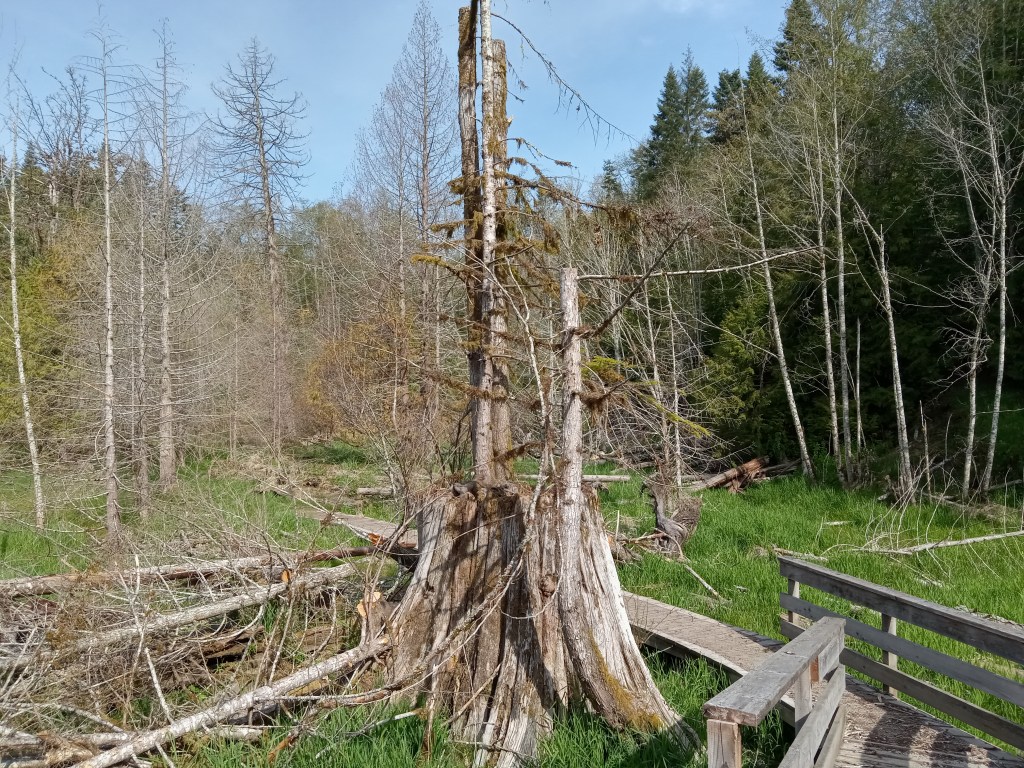
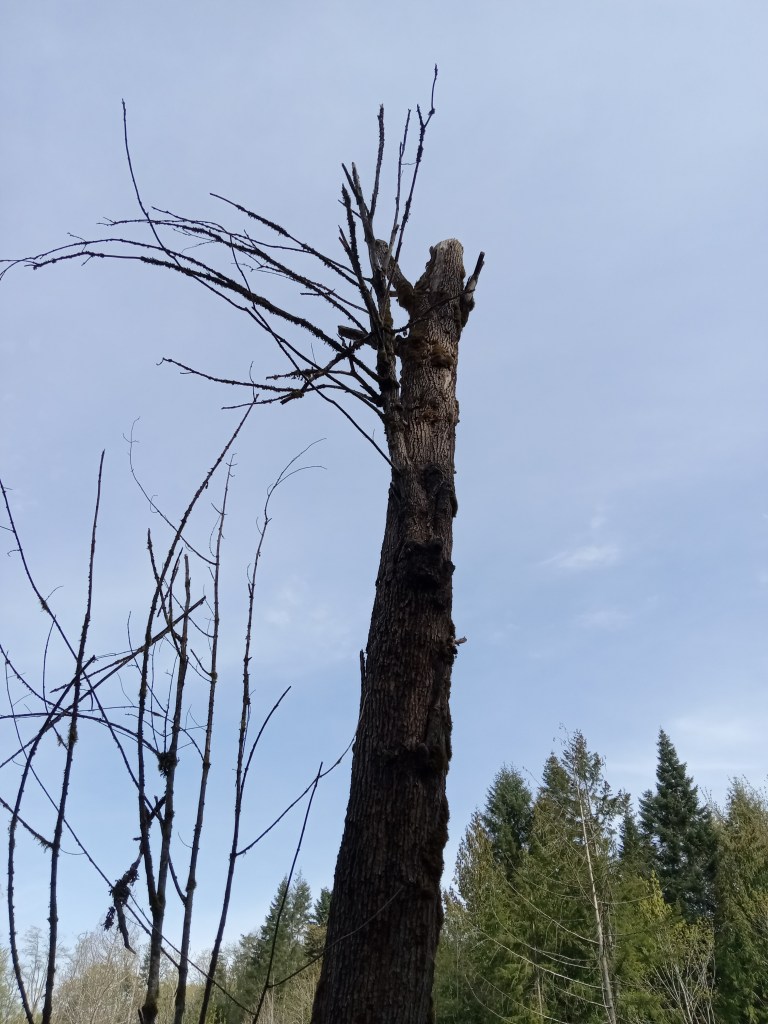
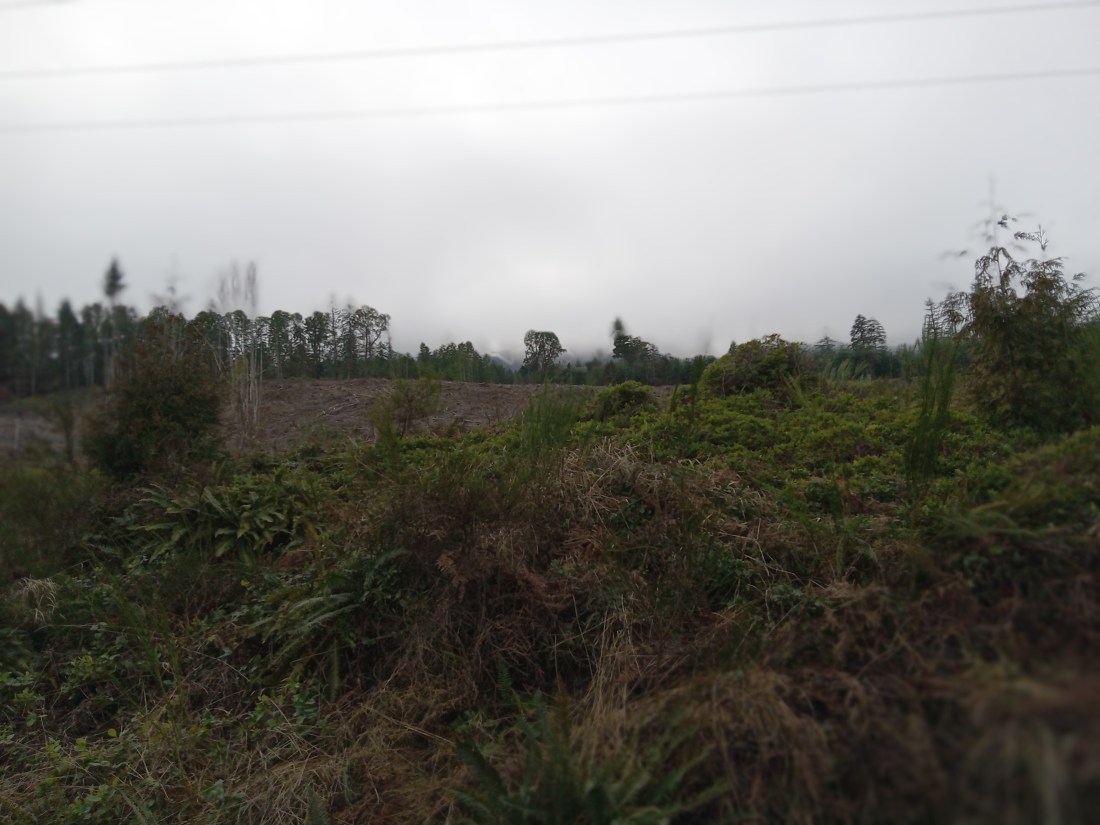
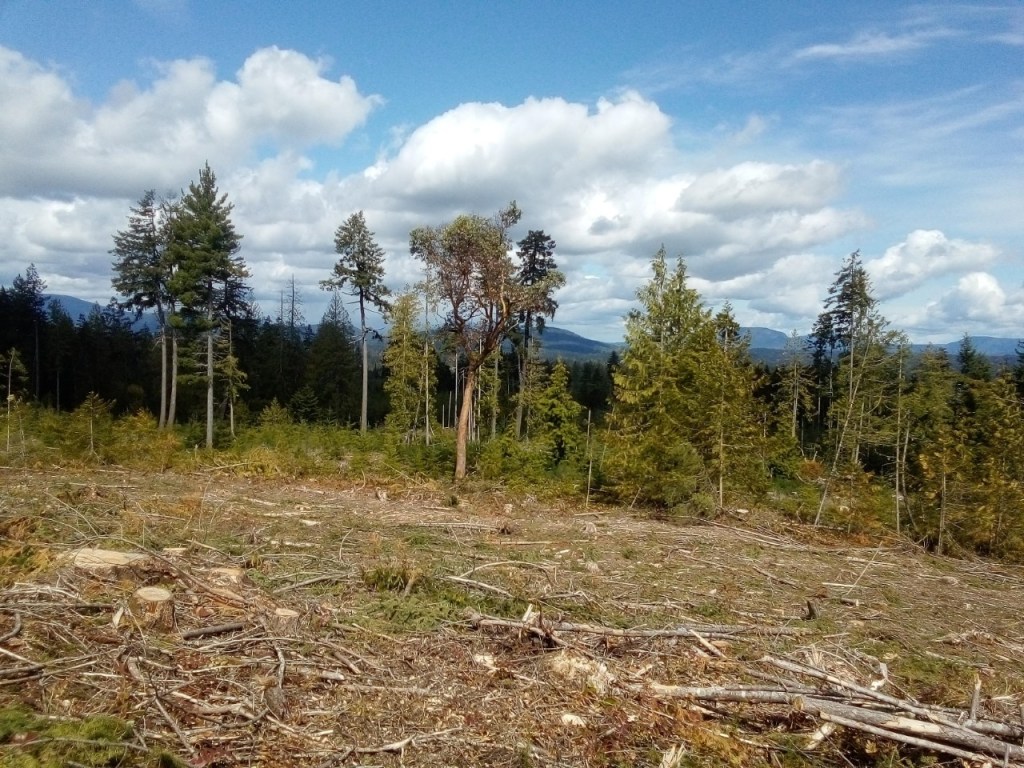
The pictures of the fallen trees are from a cutblock not far from our home.  I walked through it, and although it was undeniably apocalyptic, it wasn’t awful.  There was beauty in the desolation, and in the rich green forest behind it. 

Bury Things Deep

Featured

Sometimes the first time my wife learns about something in my life is reading about it on readerwriterrunner.com. 

When we first met, I told her that I liked to “bury things deep.”  Maybe I was exaggerating for effect.   There’s a difference between burying things, and not talking about them.  I’m very good at not talking.

But I don’t bury them.  To do so would mean hiding them away, somewhere within me – walled off from myself and unexamined.

I’ve seen a lot of death and misery in the last two decades.  Death and misery come with the uniform.  More and more over the last few years, I’ve seen colleagues suffering.  Sometimes one incident is the proverbial last straw and the weight of what my friends and colleagues have seen becomes too much to bear.  Sometimes the one incident is so awful it does it on its own.  For others, there is no one incident, just accumulated suffering.

I’ve learned that when this happens to my colleagues, they are injured – a physical injury as real as a broken leg. 

I’ve learned that this can happen to anyone, at anytime.  And not just first responders and veterans.  The pandemic has made things worse for everyone.

Last week I got a call from a close friend who was going through a tough time.  I don’t think I could have handled the things he has weathered.  He inspires me.  I think he would acknowledge that for many years he buried things deep.  And that part of coming to terms with those things is the opposite of burying them.

There are a lot of ways to shine a little light on dark places.  You’re probably already doing them. 

I read a lot.   I read with a pen in my hand and a journal by my side.  I underline passages that move me and copy some of them into my journal. 

I run.  Almost every day.  Sometimes listening to music that transports me a million miles away.  Sometimes in the stillness of a forest where all I hear is the stream that flows beside me.

I write.  Things I haven’t yet told my wife get posted online for anyone in the world to read. Anyone in the world, including my mom and my ex-wife and my ex-partner.  That’s a varied audience.

I talk.  Sometimes. One of the things I value more than anything in this world is going for coffee with my wife, at least once a week.  We have one or two favourite places.  We sip Americanos.  And I actually talk.  Things that have accumulated throughout the week come out.  And speaking those words, to her, over coffee, always feels good.

I’ve always known how important, reading, running, and writing are in my life.  I knew it instinctively.  I felt it in my marrow.  But I’ve increasingly also come to understand that it is when I read, run, write, and sometimes talk, that I shine light on darkness.  Far from burying things deep, I actually deal with them head on.

Postscript

I thought about some of these things last Sunday as I ran with good friends as part of the Wounded Warriors one day run from Sooke to Sidney on Vancouver Island.  This year’s team is gearing up for their 600-kilometer run from the north island to Victoria later this month.  (As a former member of the team, I was privileged to be able to join them for the one day run).  The funds they raise help first responders and veterans going through difficult times.  Those funds also help their spouses and children.  If you’re so inclined, you can visit Home – Wounded Warrior Run BC (akaraisin.com) to learn more, and perhaps even donate.

Thank you.

Daryl